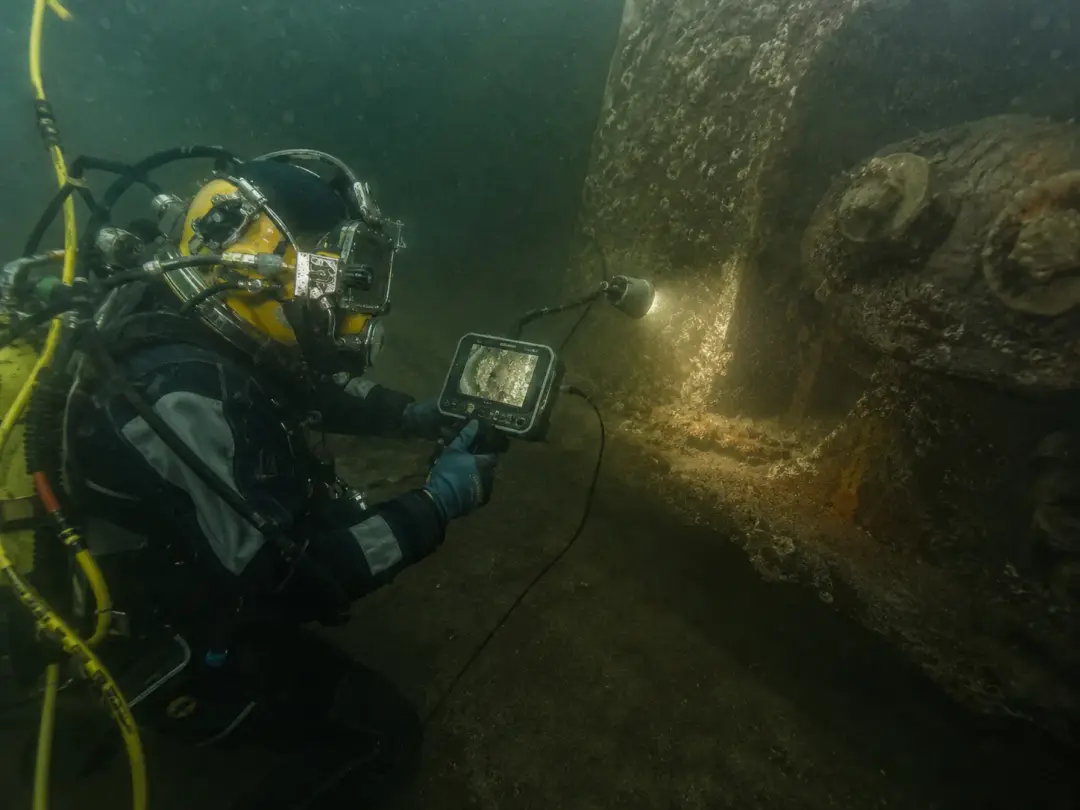
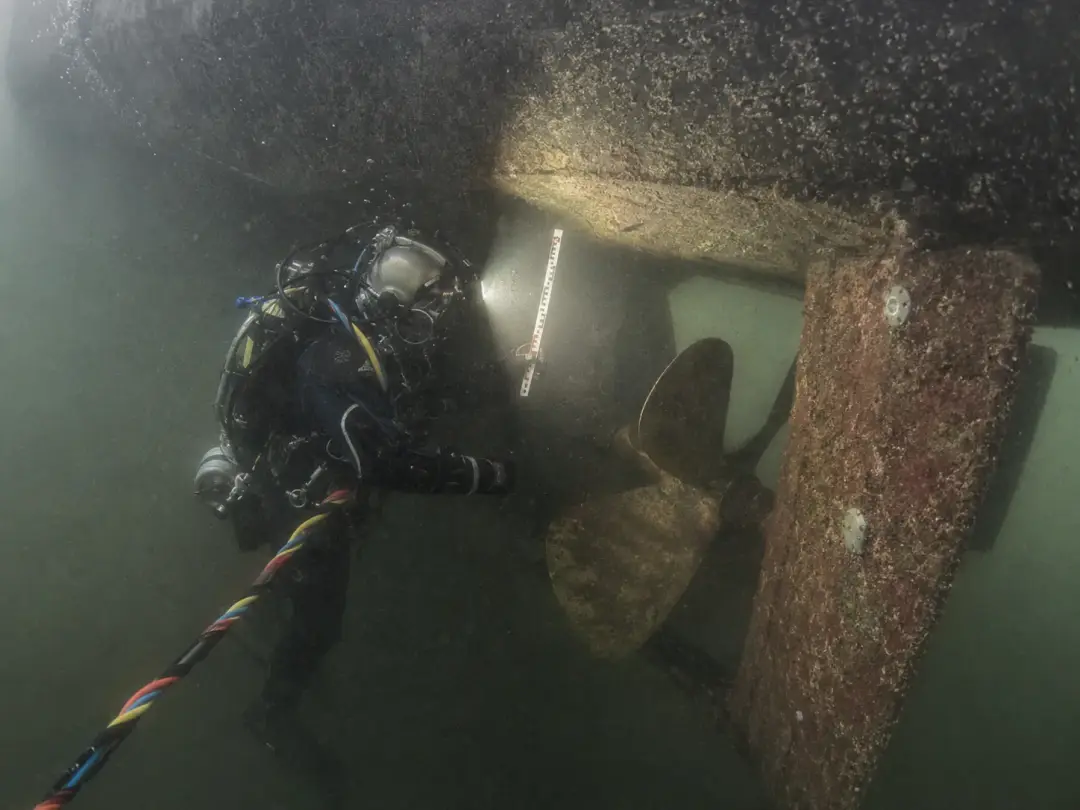
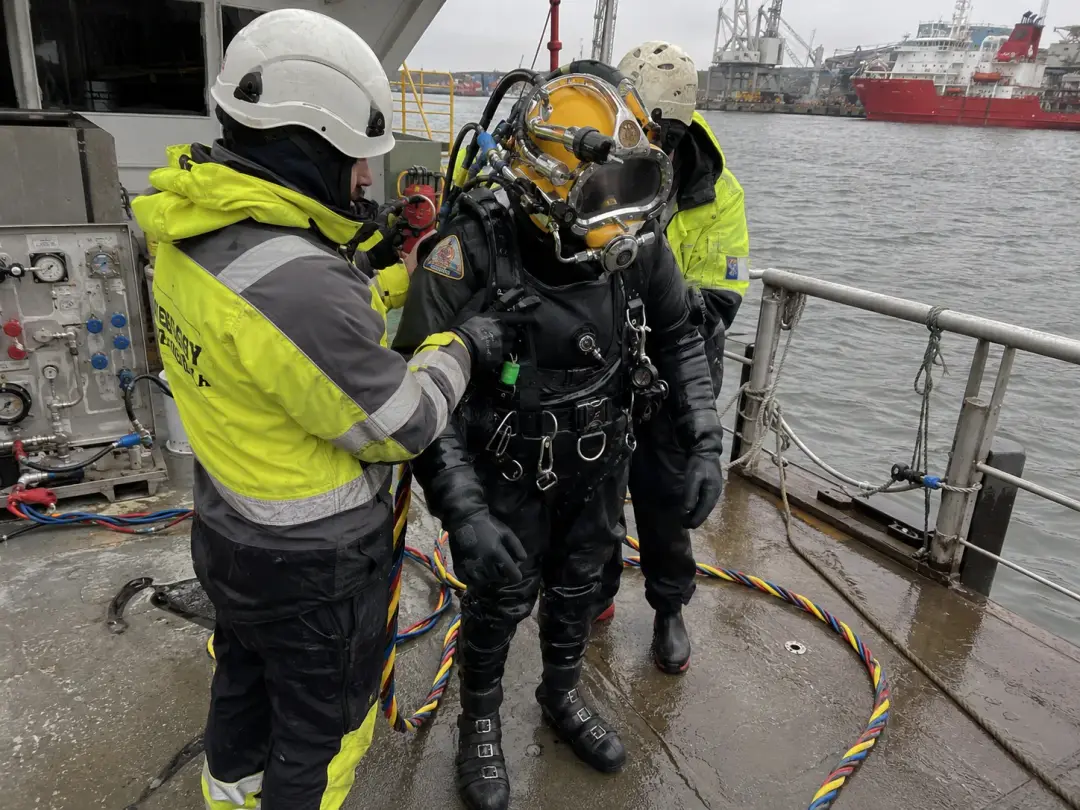
Diver inspection of vessel hulls at the anchorage off Kildin Island
Inspection of the underwater hull of vessels arriving from abroad, at the anchorage off Kildin Island before entering the Port of Murmansk. Divers survey each vessel's hull and check that nothing foreign is attached to it — so that entry into port is safe.
69.330° N, 34.400° E
- Area of work
- anchorage off Kildin Vostochny Island, Barents Sea
- Clients
- shipowners and agents of vessels calling at the Port of Murmansk
- Scope
- diver inspection of the underwater hull of vessels arriving from abroad, before entry to port
- Format
- transits to the anchorage on our own vessel
The task
Vessels arriving in Murmansk from foreign ports sometimes need their underwater hull examined before they come alongside: to check the condition of the hull after the passage and to confirm that nothing foreign is attached to it. Bringing a vessel alongside purely for an inspection means losing time and money on berth charges. The answer is to carry out the inspection at the anchorage itself, off Kildin Island, on the approaches to Kola Bay.
For a diving contractor this is a different order of difficulty from working alongside: open sea, swell, currents and work from a vessel far from base.
How an inspection at anchor differs from one alongside
Alongside, the spread is set up on the quay, the vessel is stationary and infrastructure is close at hand. At the anchorage everything is different: the diving spread has to come to the vessel itself — with its own boat, compressors, communications and gear on board. Dives take place in swell and current, so the standby diver and reliable communications are critical, and the weather window sets the schedule. That is exactly why inspections at anchor call for an owned fleet and a crew used to working at sea, not only in harbour.
How the work goes
- 1
Agreeing the time and transit
The time of the inspection is agreed with the master and the vessel's agent. The PKF Bolid vessel sails from Murmansk to the anchorage off Kildin under her own power, with no chartered craft involved.
- 2
Coming alongside and preparing to dive
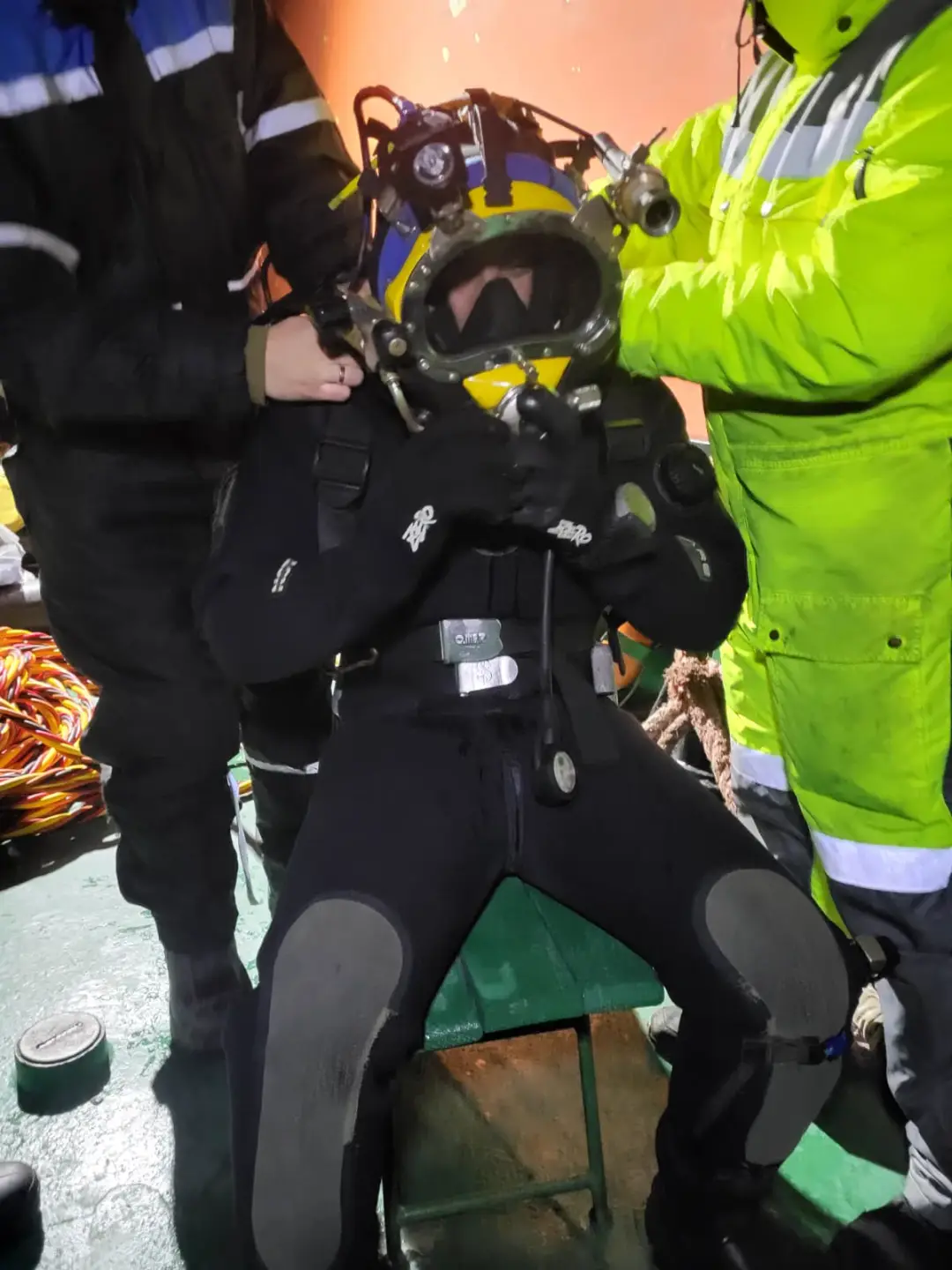
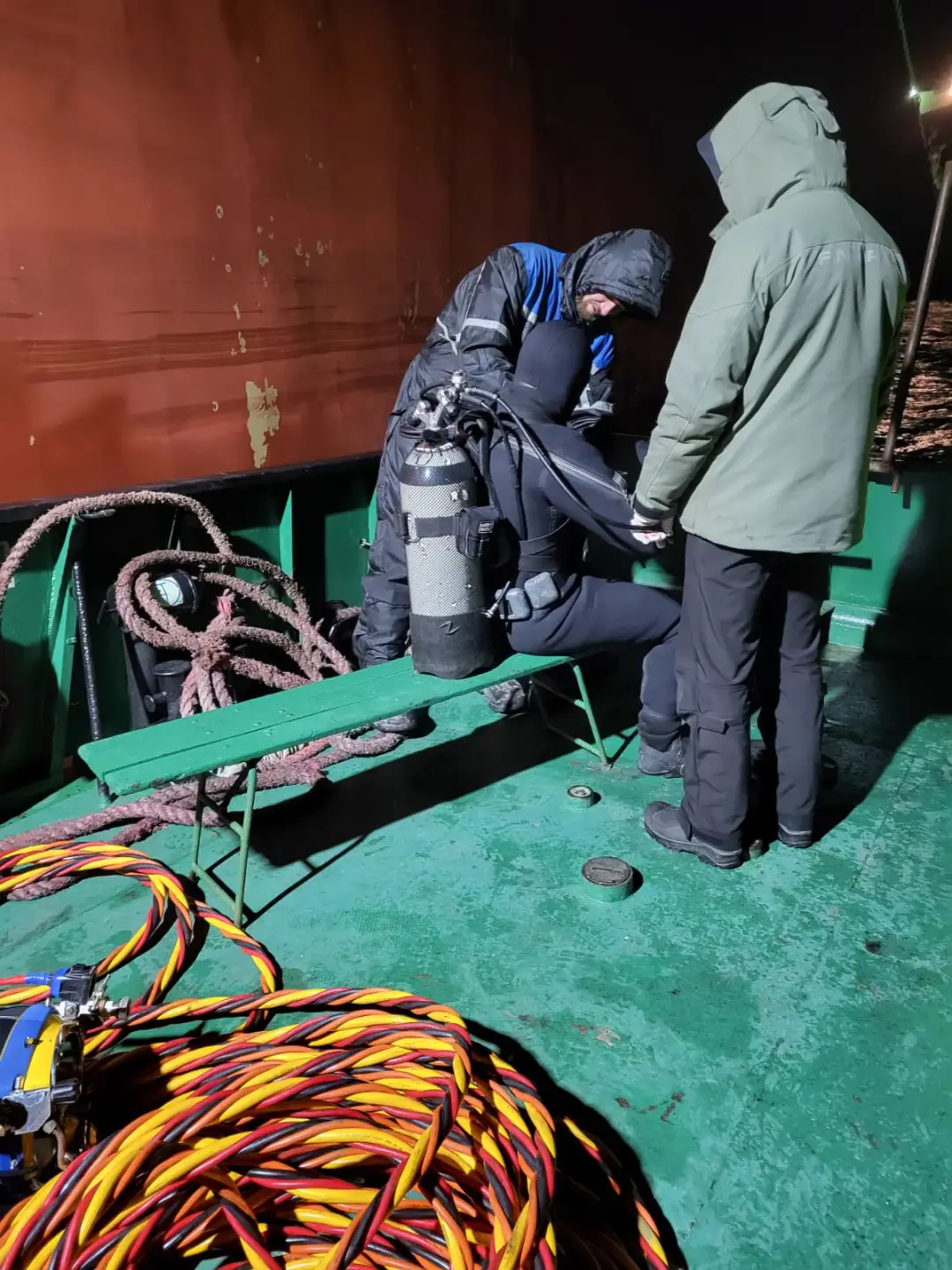
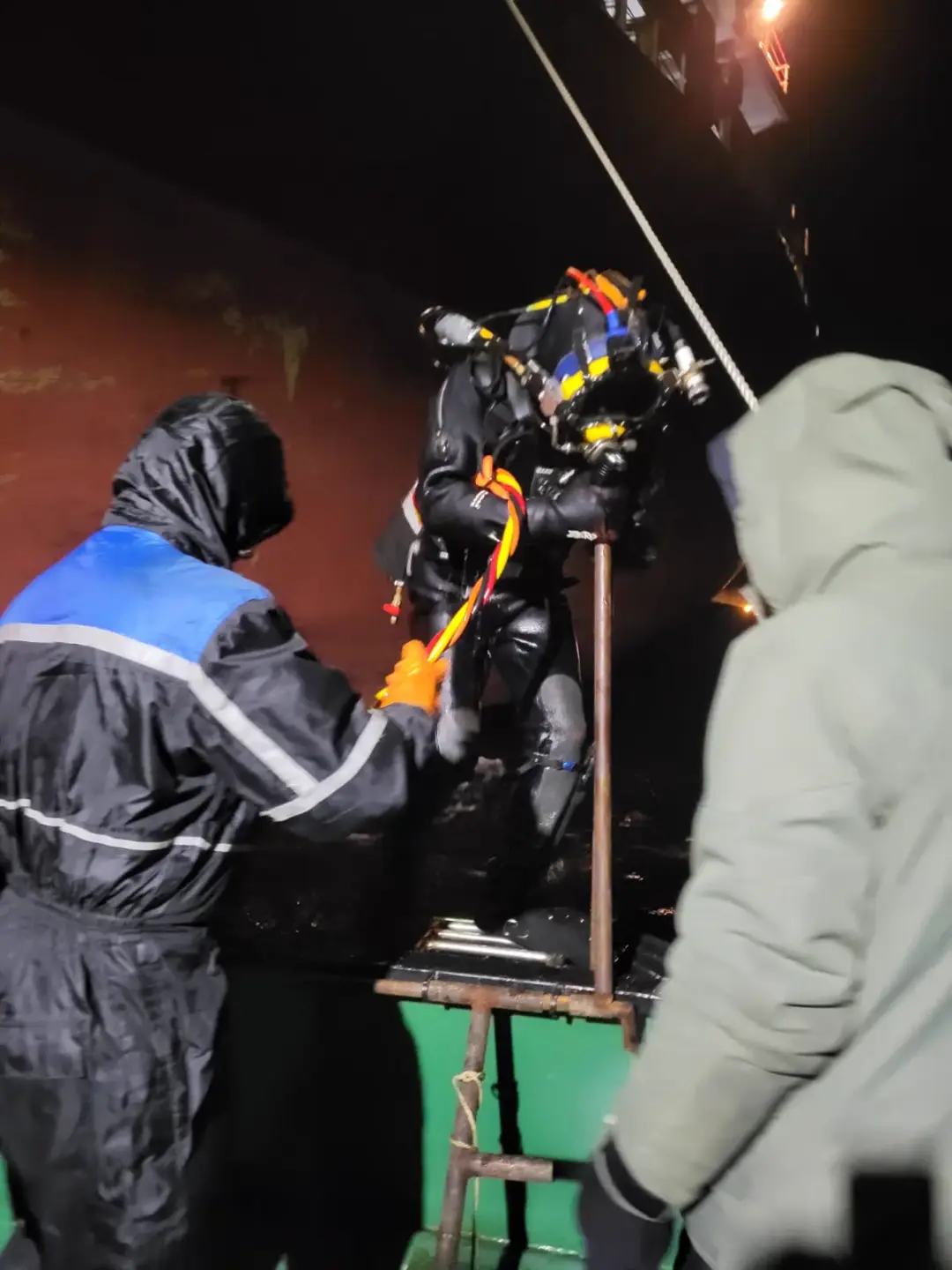
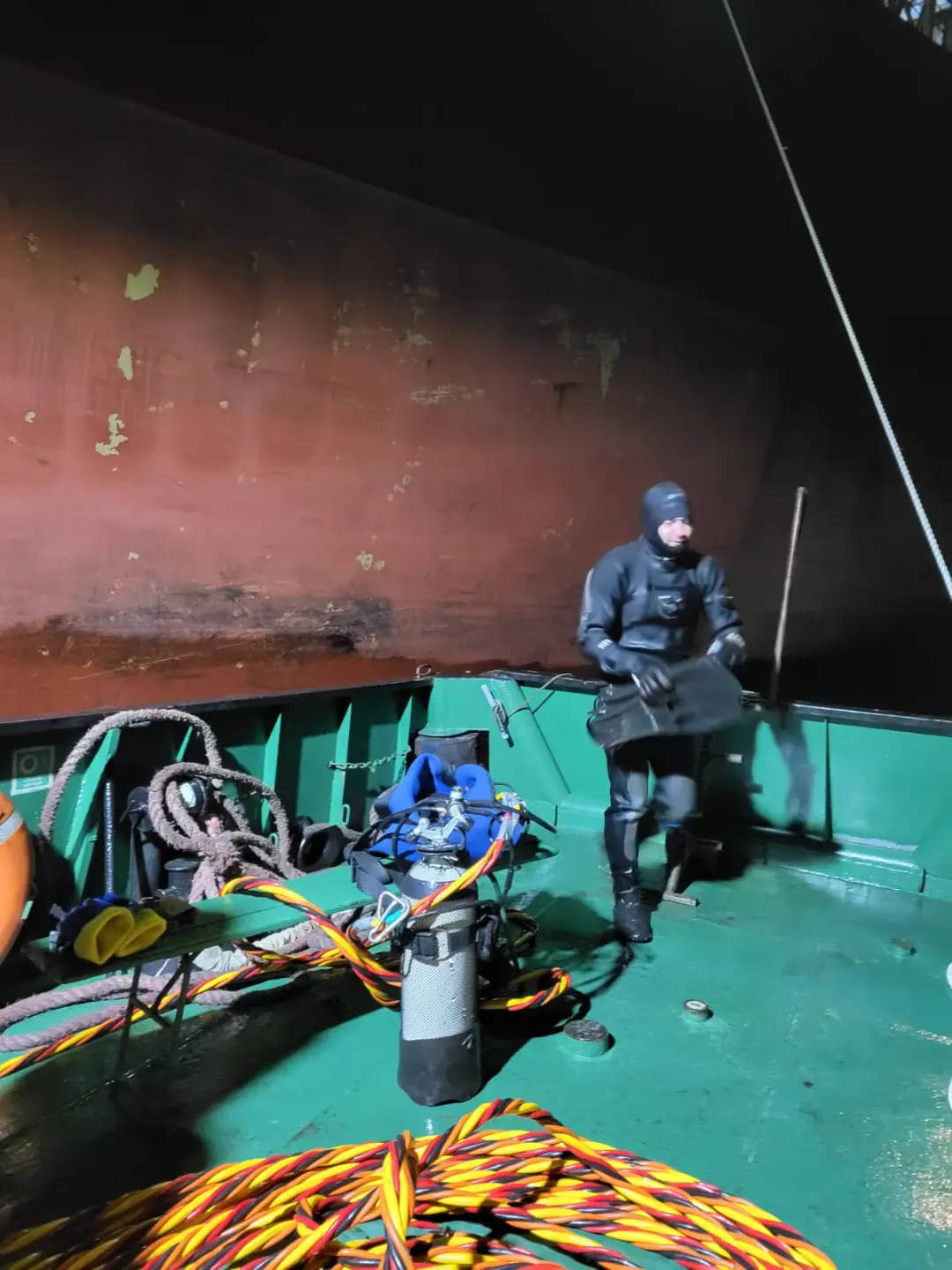
The support vessel comes up to the vessel under inspection and takes station at her side. The crew rigs the launch arrangement, checks communications and sends the diver down to the hull.
- 3
Inspecting the underwater hull
The diver works his way around the hull to a set pattern: shell plating, propulsion and steering gear, sea chests and the gratings of the intake openings. The whole circuit is recorded on underwater video — the client and the master see the condition of the hull with their own eyes.
- 4
The report
We issue an inspection report with photo and video appendices. The vessel receives confirmation of the condition of her underwater hull and proceeds into port without an extra stay.
The outcome
Shipowners get the inspection done on the approach — with no time lost alongside and no change to the arrival schedule. For a busy port like Murmansk that is a direct saving: the inspection is built into the voyage logistics rather than added on top of them.
- Our own dive support vessels — we put to sea without subcontractors or waiting.
- A crew experienced in open-sea diving, including work in a swell.
- Full video coverage and reports accepted by clients and inspecting authorities.
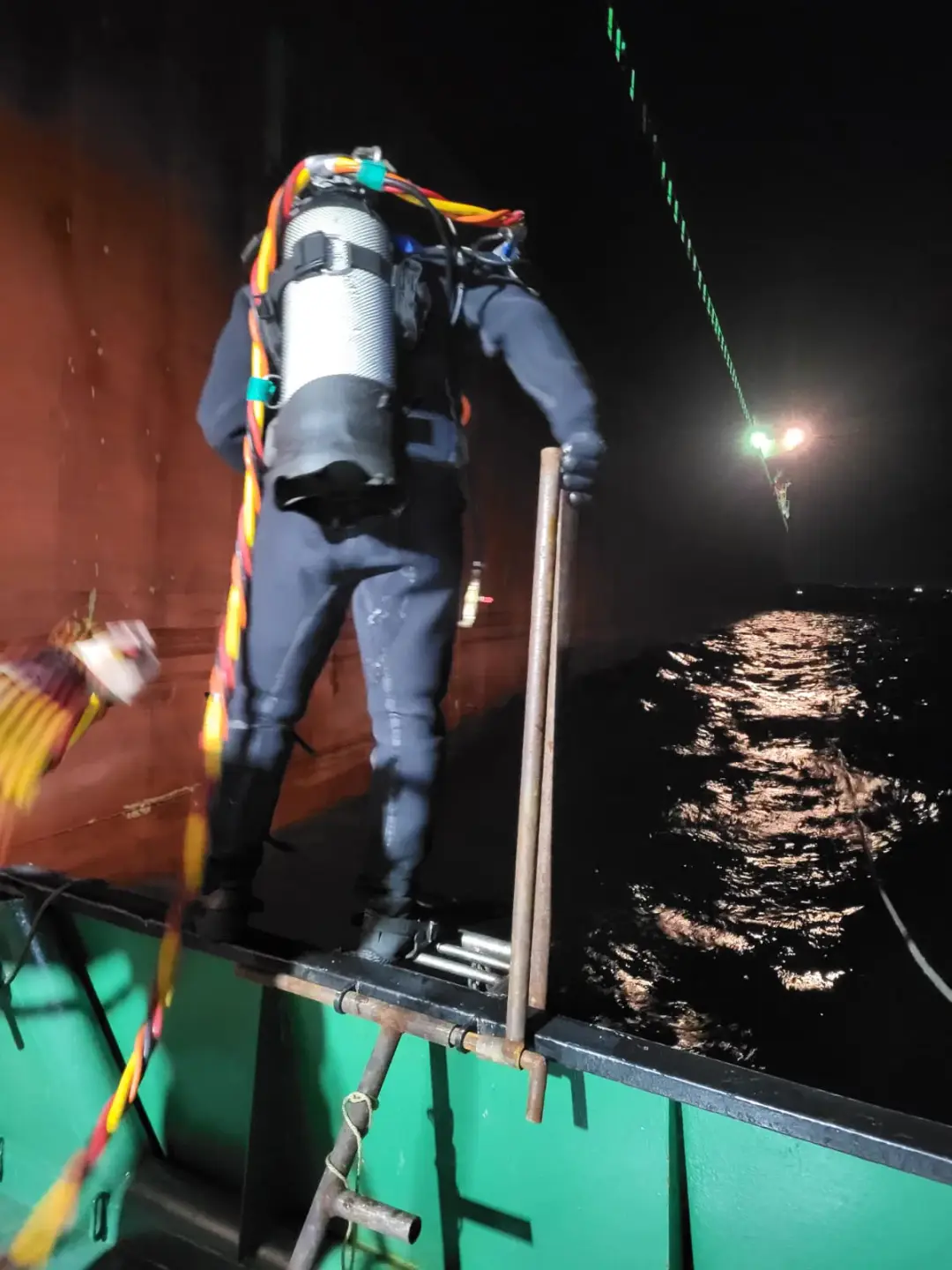
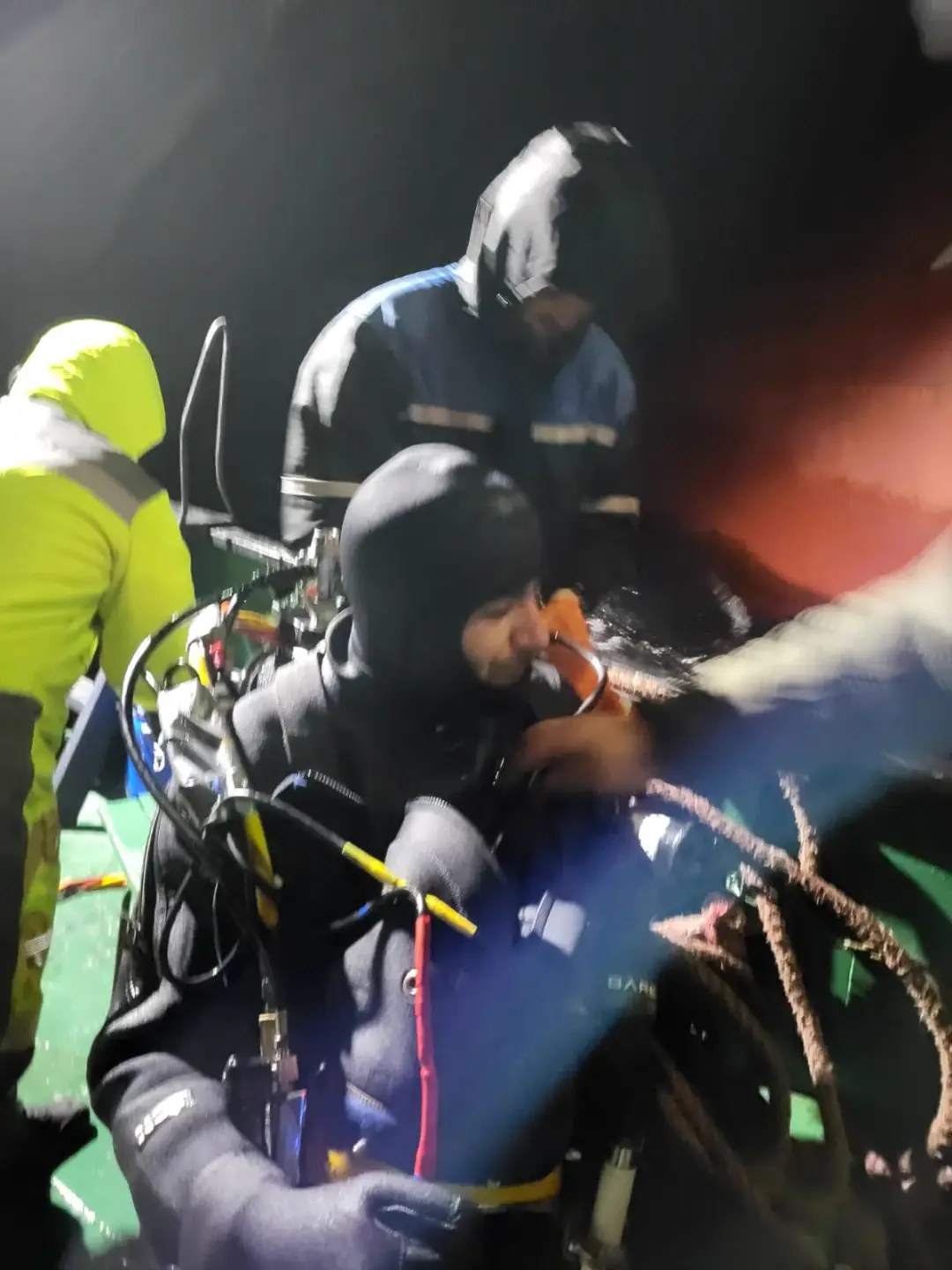
How the work went — shots from site
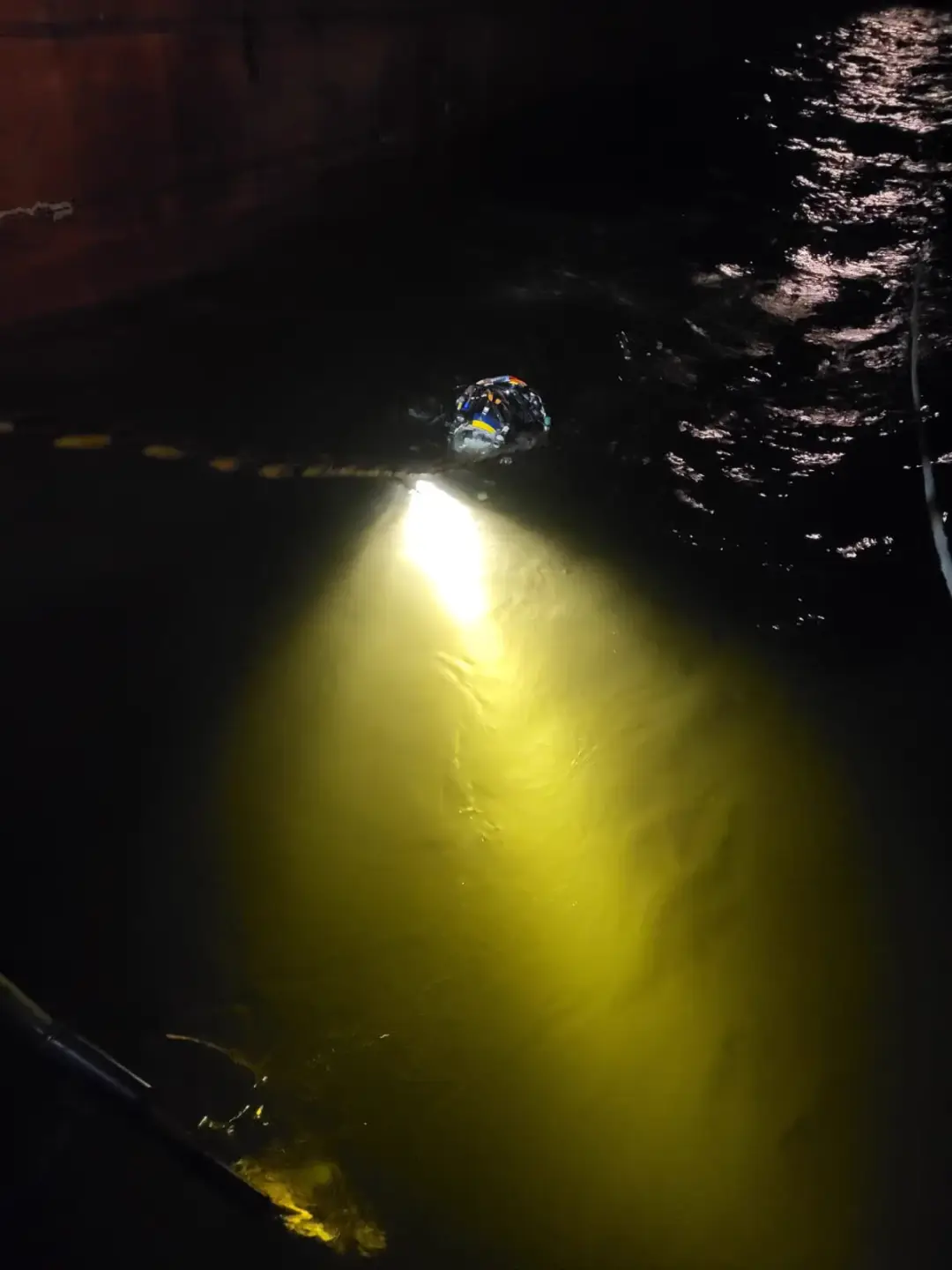
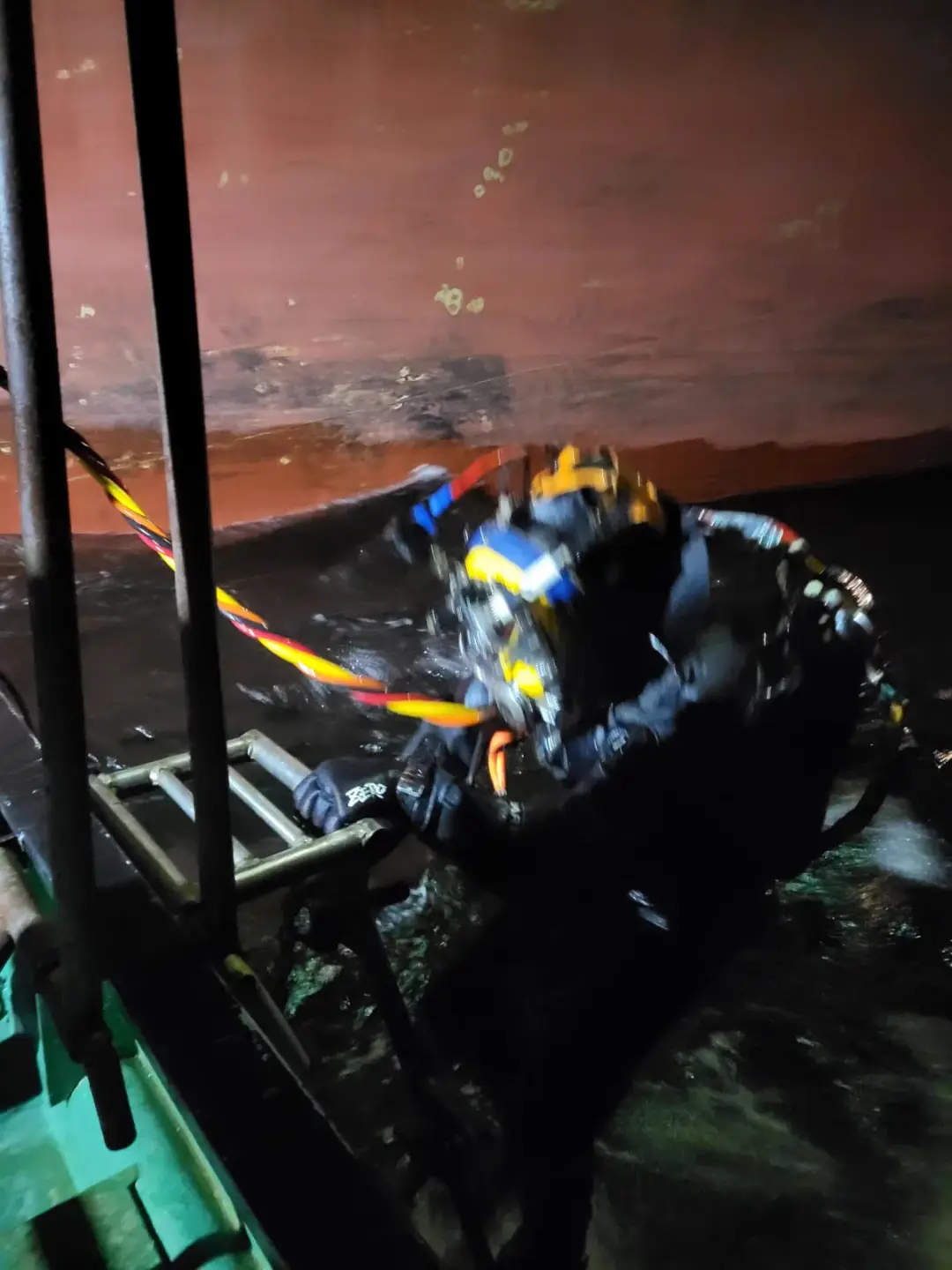
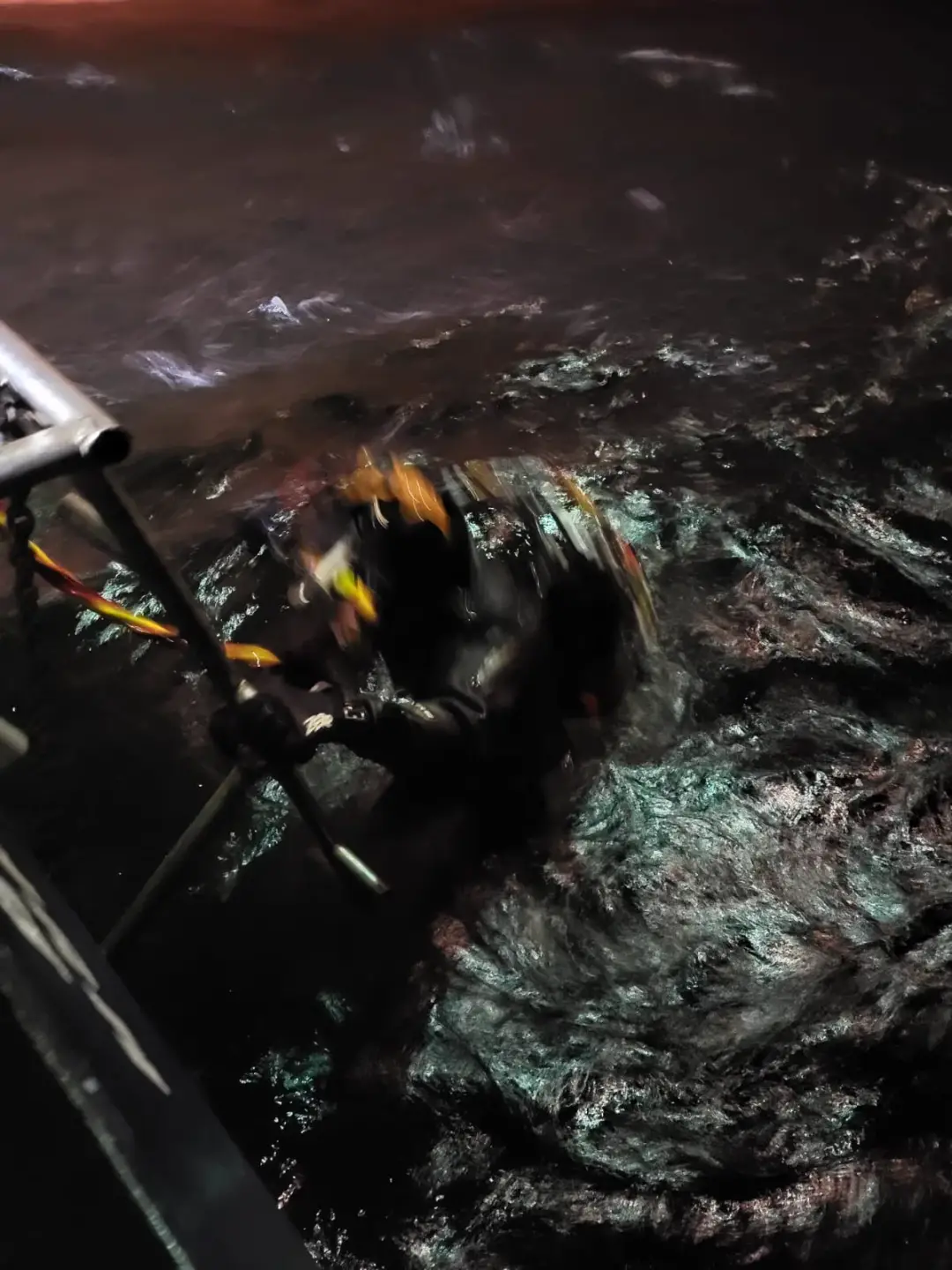
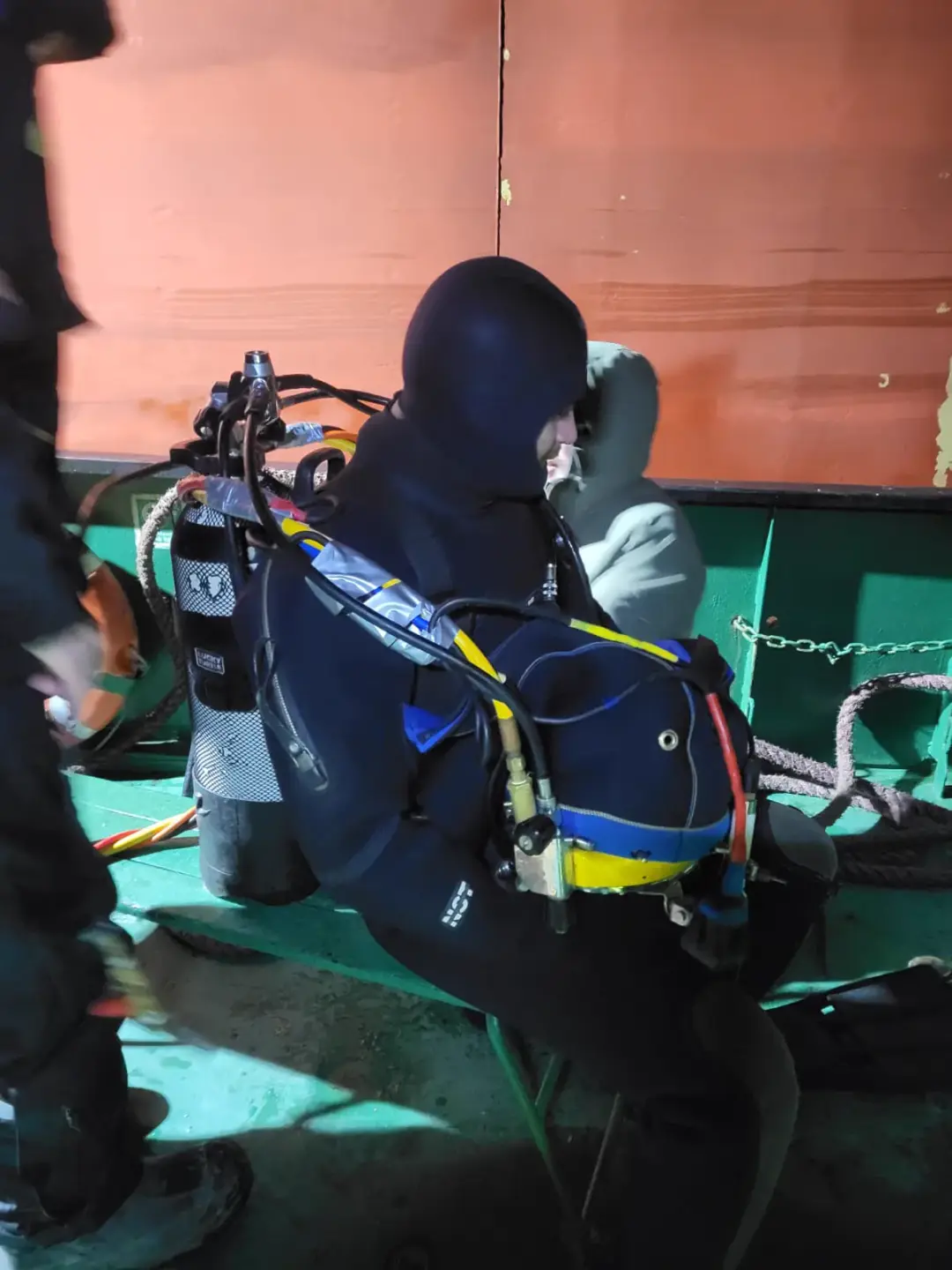
Need a vessel inspected at anchor or alongside? We will fit the time to your port call, reach the position on our own vessel and hand over a report with video evidence.
Request a quote